How Do You Compare Quotes from Custom Bag Manufacturers?
Compare quotations against the same bag specification, order quantity and delivery basis. Confirm the material, dimensions, construction, logo process, hardware, packaging and sample requirements before comparing unit prices. A lower quotation may describe a different product or exclude costs included elsewhere.
This guide is for brands, promotional-product distributors, retailers and importers preparing a custom bag order. It helps turn several supplier quotations into a clear purchasing comparison.
1. Give Every Supplier the Same Specification
Use one dated specification sheet or tech pack. Include the bag dimensions, material requirements, lining, pockets, closure, handles, logo and packaging. Identify the artwork revision and list quantities by style and color.
If you are still developing the design, ask each supplier to state its assumptions. A preliminary price based on a reference photograph should not be treated as a final production quotation.
2. Compare Materials Beyond the General Name
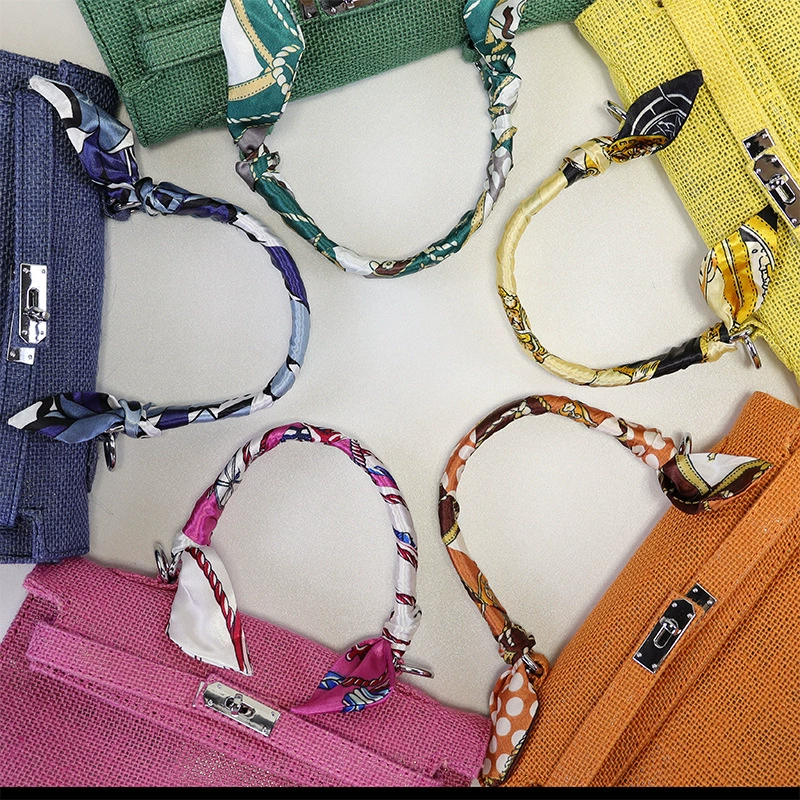
Descriptions such as “canvas,” “Oxford fabric” or “PU” leave important details unresolved. Ask for the proposed material specification and a representative swatch where appearance or feel matters.
Record the composition, weight or thickness where relevant, finish, backing and lining. Confirm color references and whether the proposed material is a stocked option or requires custom sourcing.
A heavier fabric alone does not establish a stronger finished bag. Construction, component selection and the intended use also need review.
3. Check Construction and Hardware
Compare pocket count, lining, seams, reinforcement, handle dimensions and closure details. Ask the supplier to identify differences between its proposal and your specification.
For zippers, buckles and other hardware, confirm the agreed type, size and finish. If a named component is required, state it explicitly and agree how substitutions will be handled.
Illustrative example: one tote quotation includes lining and reinforced handle attachments, while another covers an unlined body with a simpler attachment. The prices are not directly comparable until the construction is aligned.
4. Use an Item-by-Item Comparison
| Item | What to Confirm | Potential Difference |
|---|---|---|
| Dimensions | Width, height, depth and measurement method | Different usable size or gusset interpretation |
| Materials | Body fabric, lining, finish and color | Different material specification or stock option |
| Construction | Pockets, seams, reinforcement and handles | Features omitted from the quoted version |
| Hardware | Zippers, buckles, pullers and metal parts | Different component quality or finish |
| Branding | Method, dimensions, colors and locations | One logo position versus multiple positions |
| Quantity | Units per style and color | Pricing based on different order splits |
| Sampling | Sample scope, revisions, charges and delivery | Stock sample versus custom development |
| Packaging | Individual pack, labels and carton arrangement | Retail preparation excluded from unit price |
| Delivery | Quoted delivery basis, destination and exclusions | Freight or other charges paid separately |
5. Separate Unit Price from Development Costs
Request separate figures for the bags, sample development, artwork or setup, custom tooling where applicable, packaging and delivery. Ask which charges are one-time and which can recur.
If a sample fee may be credited against a production order, obtain the conditions in writing. Also clarify whether a repeat order requires renewed setup or material sourcing.
For a fuller explanation of order quantities, read our bag manufacturing MOQ guide.
6. Confirm the Quantity Behind the Price
A quotation for one color may differ from an order split across several colors. Provide the proposed quantity for each style, size and color rather than only the overall total.
Ask whether the minimum applies to the finished bag, the material purchase, custom hardware or a particular branding process. This helps you identify which design choices affect the order size.
When requesting quantity breaks, keep the specification unchanged so you can assess the effect of volume accurately.
7. Compare Delivery on the Same Basis
Record the currency, quotation validity, payment schedule and named delivery location. Ask what is included in the quoted delivery arrangement and what remains your responsibility.
Separate sample timing, approval, production completion, dispatch and estimated arrival. A production lead time does not automatically describe the date the bags reach your warehouse.
If an event or retail launch creates a fixed deadline, communicate the required arrival date and allow time for receiving checks.
8. Approve the Sample Before Finalizing Production
Review the material, actual dimensions, workmanship, branding and complete packaging against the agreed specification. Record approved deviations rather than relying on an informal message that the sample “looks good.”
Confirm whether the sample uses the intended production materials. If substitutions were used during development, resolve them before approving the bulk order.
Keep the approved sample identification and specification revision with the purchase order. For broader supplier evaluation, see how to check a bag manufacturer before your first order.
Buyer Questions
Why do manufacturers quote different prices for the same photograph?
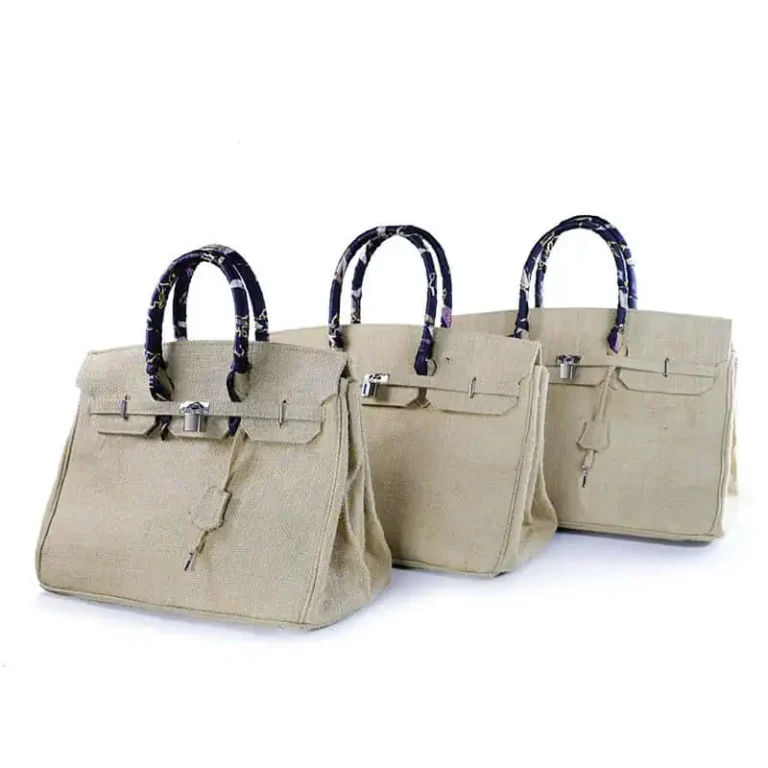
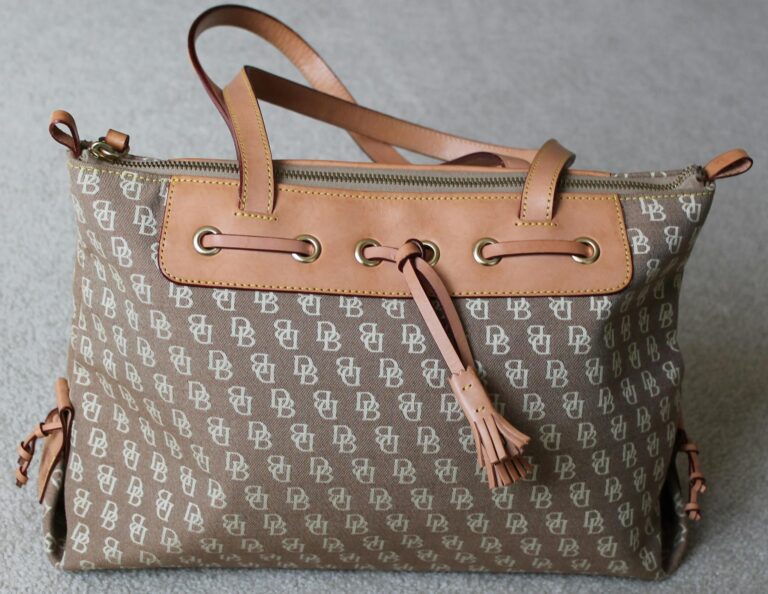
A photograph does not define all materials, dimensions or construction details. Ask each supplier to list its assumptions, then align the specification.
Should I choose the lowest unit price?
Compare the complete supply scope and agreed quality requirements first. The lowest price may be suitable when those requirements match, but missing items need clarification.
Can I reduce cost without changing the appearance?
Ask the supplier to propose clearly identified alternatives. Review their effect on feel, function, durability and packaging before approving a revised sample.
Does an approved sample guarantee the entire order?
No. It provides a reference. Agree on production requirements, incoming inspection and the process for handling discrepancies.
Request a Comparable Custom Bag Quotation
Send Largeng Bags your reference image or tech pack, material requirements, dimensions, quantity by color, logo artwork, packaging and delivery destination. Identify your required arrival date and ask for an itemized quotation.
Explore our custom bag manufacturing services or submit your project through the enquiry form.
Related Guides
- Custom Bag Manufacturer in China: Buyer Checklist for Brands
- How to Choose a Custom Tote Bag Manufacturer in China
- Where Are Coach Bags Made? A Bag Manufacturer’s Complete Guide (2026)
- Lawn Bowls Bag Buying Guide for Retailers
- Custom bag manufacturing services — request a quote from our Quanzhou factory