Can You Start a Custom Bag Order Without a Tech Pack?
You can start a development enquiry without a complete tech pack if the manufacturer offers the required development support. Provide reference images, intended use, target dimensions, material preferences and quantity. Before bulk production, turn the agreed design into a written specification supported by an approved sample.
The goal is to make your requirements clear enough for a supplier to evaluate feasibility and explain the next steps. A photograph can start that conversation, but it rarely defines everything needed to manufacture a consistent product.
1. Understand What a Bag Tech Pack Does
A tech pack communicates the design through drawings, measurements, materials and construction details. Techpacker’s handbag tech pack guide describes these elements, including a bill of materials and measurement information.
You do not need to choose specialist software before contacting a factory. An organized document can be enough for an initial discussion. Clearly distinguish confirmed requirements from details for which you want recommendations.
2. Send a Brief That Explains the Bag’s Purpose
Describe who will use the bag, what it should carry and where it will be sold or distributed. A promotional tote, a laptop backpack and a cosmetic pouch need different development decisions.
Include your expected order quantity, destination, target arrival date and budget basis. State whether the budget concerns the bag alone or also includes packaging and delivery.
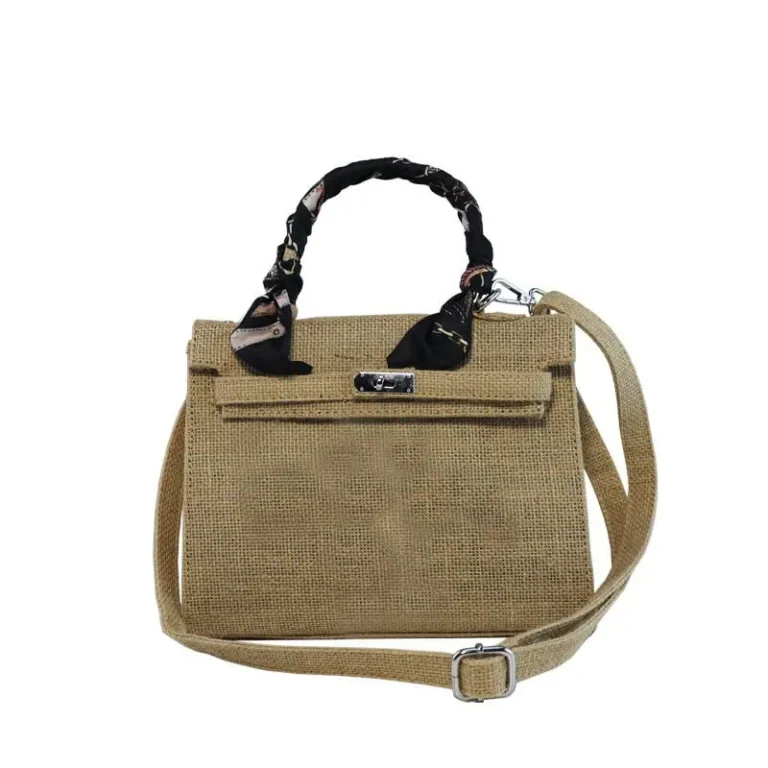
If you have a reference image, annotate the features you like and the changes you want. Avoid asking the supplier to infer your priorities from several unrelated photographs.
3. Provide These Details for the First Review
| Detail | What to Send | If You Are Unsure |
|---|---|---|
| Bag type and use | Product category, user and intended contents | Describe the job the bag must perform |
| Size | Target width, height and depth with units | Provide the dimensions of items it must hold |
| Material | Preferred composition, appearance or reference swatch | Ask for options against your budget and use |
| Structure | Pockets, lining, closure and compartments | Separate essential features from optional ones |
| Handles or straps | Carrying style and adjustable or fixed requirements | Explain how users will carry the bag |
| Branding | Logo artwork, approximate size and position | Request suitable application options |
| Quantity | Units per style and color | Request clearly defined quantity alternatives |
| Packaging | Individual packing, labels and retail presentation | Describe the receiving or sales arrangement |
4. Agree on the Development Scope
Ask what the supplier will prepare: material suggestions, drawings, a pattern, a mockup or a physical sample. Confirm the charges, included revisions and expected milestones.
Clarify which files and samples you will receive and what records will be retained for repeat orders. Do not assume that a sample-development fee includes every drawing, pattern or future revision.
If you adapt an existing supplier style, list the changes separately. This helps distinguish a branding project from a new construction project.
5. Turn Important Features into Measurable Requirements
Replace descriptions such as “large,” “strong handles” or “premium lining” with agreed details. Define how the bag is measured and identify any fit requirements.
Illustrative example: a buyer wants a bag for a product box measuring 30 × 22 × 8 cm. The supplier still needs to review the opening, usable internal space, closure and allowance needed to insert and remove the box. Matching those numbers to the bag’s outside dimensions would not establish fit.
For load-bearing or other performance requirements, agree on an appropriate evaluation method. A photograph or a material weight alone cannot establish the finished bag’s performance.
6. Review the Sample Against One Written Record
Check dimensions, material, lining, pockets, logo, closure and carrying comfort. Where fit matters, use the actual intended contents during the review.
Consolidate comments into one dated revision rather than sending contradictory instructions through multiple messages. Use annotated photographs to show the location of each requested change.
Ask whether the sample uses the intended production materials. Record any temporary substitutions and resolve them before approval.
7. Finalize the Specification Before Bulk Production
The approved record should identify the final dimensions, materials, colors, components, branding and packaging. Include agreed tolerances or acceptance criteria where required, and reference the approved sample.
Confirm the quantity by color and the delivery arrangement. Require proposed substitutions to be reviewed rather than leaving the supplier to interpret whether a change is acceptable.
For quotation comparisons, provide the same final specification to each supplier. Our custom bag manufacturing page outlines the available development and production support.
Buyer Questions
Can a factory quote from one photograph?
It may provide an initial estimate, but missing material and construction details can affect the final price. Ask the supplier to list the assumptions behind the estimate.
Do I need professional design software?
Not for the first enquiry. Clear sketches, measurements and organized notes can support initial review. Confirm the file formats needed for final artwork and production documentation.
Can I send a physical reference bag?
Ask the supplier whether it would help. Confirm shipping and return arrangements, and explain which features are references rather than requirements for an exact copy.
How many sample revisions will be needed?
That depends on the design and how much remains undecided. Agree on revision charges and timing before development starts.
Can production begin before every detail is confirmed?
Unresolved details create room for conflicting interpretations. Approve the production specification and sample status before authorizing the bulk order.
Start with Your Bag Idea and Available References
Send Largeng Bags your reference images, intended use, target dimensions, material preferences and quantity. Identify the details you need help developing so the team can review the scope and propose the next steps.