TL;DR: The top 2026 bag trends are: quiet luxury structuring, the micro bag’s continued rise, sustainable and plant-based materials, modular/convertible designs, textured surfaces, vintage-inspired hardware, gender-neutral silhouettes, travel-optimized everyday bags, maximalist embellishment, and digital/tech-integrated pockets. Brands that anticipate and source these trends 3–4 months early capture the demand curve.
Why Trend Awareness Is a Competitive Advantage in Bag Sourcing
Most bag brands react to trends rather than anticipating them. They see a style going viral in October, start sourcing conversations in November, and — factoring in sample development, bulk production, and shipping — have inventory in April of the following year. By then, the trend peak has often passed.
The brands that win build trend awareness 6–12 months ahead, align sourcing conversations early, and have inventory ready when demand is building rather than when it has peaked.
This guide covers the 10 most significant bag trends of 2026 with specific guidance on how to turn each trend into a sourcing and product opportunity.
Trend 1: Quiet Luxury — Structured, Understated, and Built to Last
What it is: A continued reaction against logo-heavy fast fashion. Buyers — particularly in the 30–50 age range with disposable income — are gravitating toward bags with clean silhouettes, premium materials, minimal branding, and timeless construction. No visible logos, no seasonal gimmicks. Quality that whispers.
What it looks like: Structured leather totes in cream, camel, black, and deep green. Top-handle bags with clean hardware. Minimal external branding (small embossed logo only). Full-grain or top-grain leather construction.
How to capitalize: Develop 2–3 core shapes in premium materials. Invest in quality hardware (YKK metal zippers, solid brass D-rings). Use a small embossed logo rather than a printed or prominent metal badge. Price is $150–$350 retail. Content: no flashy product video — editorial lifestyle shots in quiet settings.
Sourcing lead time: 45–60 days for leather structured bags. Start conversations now for the fall/winter collection.
Trend 2: Micro and Ultra-Mini Bags
What it is: The “bag as statement piece” movement. Tiny bags (under 20cm wide) that hold almost nothing practically — a phone, cards, and keys at most — but serve as a fashion focal point, an accessory, a collectible.
What it looks like: Palm-sized clutches, micro tote bags with long shoulder straps, mini crossbodies under 15 cm in width. Often in statement colors or with distinctive hardware.
How to capitalize: Lower material cost (smaller bag = less leather/fabric per unit), higher margin potential (fashion positioning over function). Launch micro versions of your existing best-selling silhouettes. Position as gift items — excellent for gifting season sourcing.
Sourcing lead time: 25–35 days. Simpler construction reduces development time.
Trend 3: Sustainable and Plant-Based Material Storytelling
What it is: Sustainability has moved from niche to mainstream buyer expectation. But the market has also become more sophisticated — buyers are skeptical of vague “eco-friendly” claims and respond better to specific, verifiable material stories.
What it looks like: Bags marketed with their material origin story: “made from cactus leather from Jalisco, Mexico,” “woven from 100% recycled plastic bottles,” “canvas certified organic by GOTS.”
How to capitalize: Choose one sustainable material hero story and build content around it. Specific is more credible than general. Use hang tags that explain the material’s origin. Offer natural colorways that support the eco narrative.
Sourcing lead time: Sustainable materials require 2–4 weeks longer than standard materials. Plan lead time accordingly.
Trend 4: Modular and Convertible Bags
What it is: Bags that transform between functions — a backpack that becomes a tote, a crossbody with a detachable strap that converts to a clutch, a bag with MOLLE-style attachments for added pouches.
What it looks like: Removable straps in multiple length options. Internal structures that fold away. Exterior attachment points for modular pouches. Transformable silhouettes via zip-off panels.
How to capitalize: Even basic modular features (a fully removable crossbody strap, a zip-away backpack strap system) add significant perceived value for a modest production cost increase. Modular bags also support strong video content (showing the transformation in 30-second clips).
Sourcing complexity: Higher than single-function bags — more hardware, more assembly steps. Add 10–15 days to the typical lead time.
Trend 5: Textured Surfaces — Woven, Embossed, and Tactile Materials
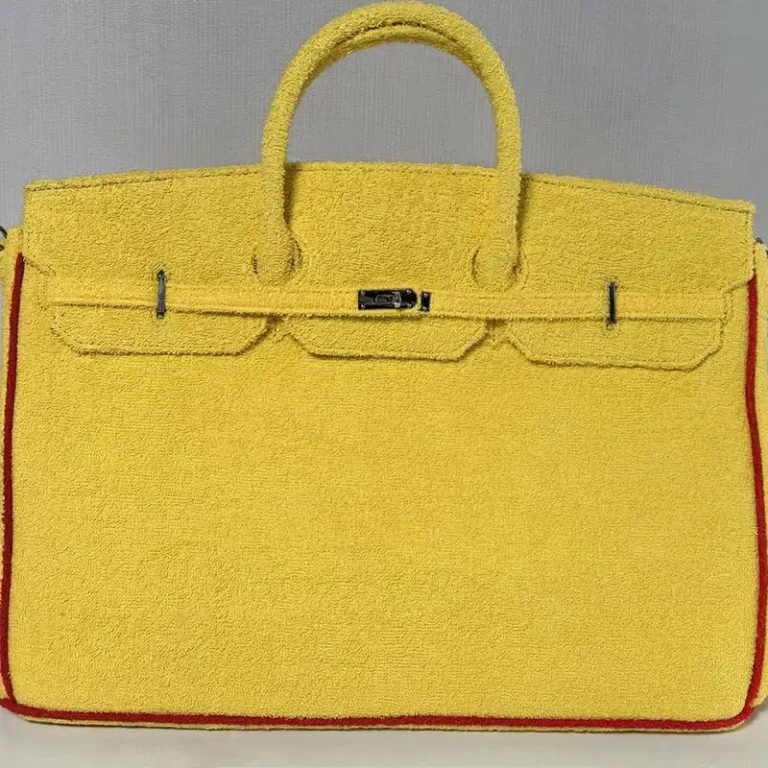
What it is: A visual and tactile reaction to the prevalence of smooth, clean-finish bags. Woven leather, raffia, boucle, embossed crocodile, quilted surfaces, and intrecciato-style weaving are all gaining traction.
What it looks like: Woven leather totes. Quilted nylon crossbodies. Embossed crocodile or lizard-print leather bags. Raffia-wrapped handles. Boucle fabric panels.
How to capitalize: Textured materials photograph exceptionally well — close-up detail shots drive engagement on Instagram and Pinterest. Consider adding one textured-surface style to your range each season.
Sourcing note: Woven leather patterns require more labor-intensive construction. Budget 20–30% more per unit versus smooth leather equivalents.
Trend 6: Vintage-Inspired Hardware
What it is: A shift away from the ultra-modern, ultra-shiny hardware of recent years toward aged, warm, tactile hardware finishes. Antique brass, aged gold, burnished copper, and oxidized silver tones are appearing across market levels.
What it looks like: Antique brass D-rings and turn-locks. Oxidized gold zipper pulls. Hardware with subtle texture rather than mirror polish.
How to capitalize: Hardware finish changes are one of the most cost-effective ways to refresh an existing style without redesigning the bag. Request antique brass samples of your current hardware before committing — this is often the lowest-cost trend adaptation available.
Trend 7: Gender-Neutral Silhouettes
What it is: The historically gendered bag market is blurring. Totes, crossbodies, and structured bags marketed as gender-neutral appeal to a broader audience and reduce category constraints.
What it looks like: Clean, architectural shapes in neutral colorways. Minimal hardware. No overtly feminine (delicate chain strap, micro scale) or masculine (overtly tactical, heavily functional) signaling. Marketing that shows diverse users rather than a gendered “type.”
How to capitalize: Review your current line for gender-neutral potential. Styles that are unisex by design can be marketed to 100% of your audience rather than 50%. Add neutral earth tones (tan, stone, clay, olive) alongside your existing colorways.
Trend 8: Travel-Optimized Everyday Bags
What it is: Post-pandemic, travel is at record levels. Consumers want bags that work for their daily commute but also transition effortlessly to weekend travel and carry-on use. The “one bag” movement — building a travel lifestyle around a single versatile bag — has a dedicated and highly engaged consumer base.
What it looks like: Expandable totes with a dedicated laptop sleeve. Backpacks with external USB charging ports and luggage trolley sleeves. Crossbodies that fit within airline seat-back pockets. Hidden security pockets.
How to capitalize: Add functional features to existing silhouettes — a laptop sleeve costs very little to include in a tote pattern; a USB port module costs $1–$3 per unit to add. Position functionally enhanced bags at a slight price premium over pure fashion alternatives.
Trend 9: Maximalist Embellishment (In Contrast to Quiet Luxury)
What it is: At the opposite end of the market from quiet luxury, maximalism is enjoying a strong moment. Beaded bags, sequin-covered clutches, chain-detail shoulder bags, crystal hardware, and heavily embellished evening bags are selling strongly at premium price points.
What it looks like: Hand-beaded clutches (labor-intensive, high margin). Sequin-covered minibags. Crystal-studded hardware. Mixed-media bags combining leather with embellished panels.
How to capitalize: Embellished bags are excellent for seasonal drops and limited edition launches. The high craft element justifies premium pricing ($150–$500 retail for hand-beaded bags). They photograph exceptionally for editorial content.
Sourcing note: Hand embellishment is labor-intensive. Lead time is 45–60 days. Not suitable for high-volume, fast-turnaround sourcing — plan early.
Trend 10: Tech-Integrated Bags
What it is: Functional technology features built into bags — wireless charging pads in the base, RFID-blocking lined pockets, USB charging ports, LED interior lighting, GPS tracking integration.
What it looks like: A tote with a wireless charging pad integrated into the base that charges your phone while it sits in the bag. A crossbody with an RFID-blocking pocket for cards and passport. A laptop backpack with a built-in battery pack and USB-A/USB-C charging ports.
How to capitalize: Tech features are excellent differentiators for commuter and travel bags. RFID-blocking lining is the easiest to add (it is a simple insert material, +$0.50–$1.50 per unit). USB ports add $2–$5 per unit and require a power bank specification. Wireless charging requires more complex integration but commands a significant retail premium.
The Trend Sourcing Timeline
| When You See the Trend | When to Start Sourcing | When to Have Inventory |
|---|---|---|
| Social media virality (now) | Immediately | 90–120 days from now |
| Trade show debut | Within 30 days | 90 days from now |
| Runway/editorial | Within 60 days | 120 days from now |
📩 Discuss 2026 trend-aligned product development with our team → [Contact Largeng Bags at ltbagfactory.com]
Related Guides
- Top Handbag Trends 2026: What Buyers and Brands Will Source Next
- How to Build a Bag Brand from Scratch: The Complete 2026 Guide
- OEM vs ODM Bags: Which Manufacturing Model Is Right for Your Brand?
- 5 Red Flags to Watch Out For When Assessing Bag Quality (And How We Avoid Them)
- Custom bag manufacturing services — request a quote from our Quanzhou factory